
YDTech® suppliers of ceramics zirconia Zro2 structural parts, fasteners, slots, blades, teethes, flanges, crucibles! manufacturers of zirconium dioxide Zro2 blades, spools, plungers, nozzles, impellers, shafts, seals, in china.
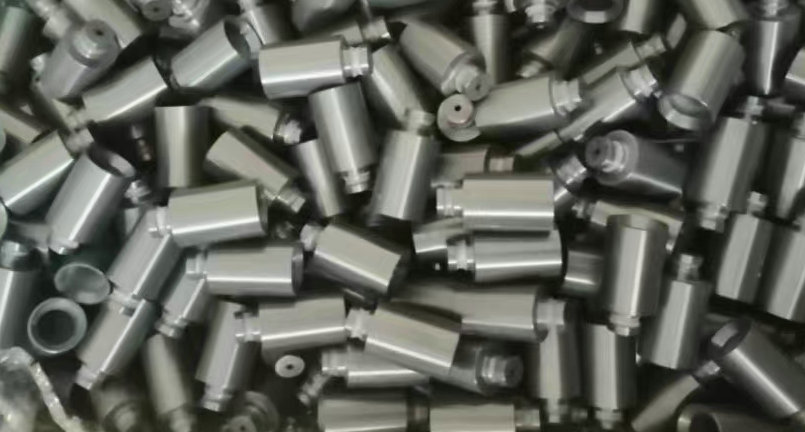
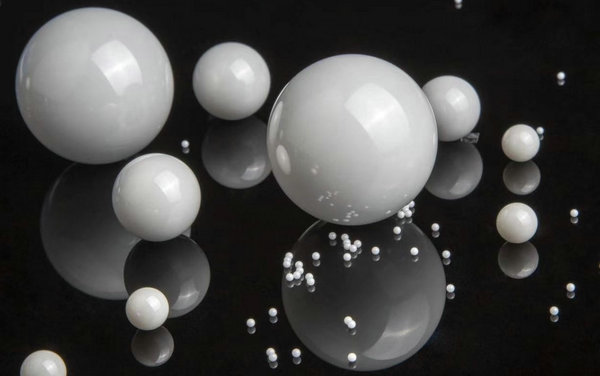
zirconium oxide, as zirconia (ZrO2), is a precision ceramic material with high mechanical strength and fracture toughness. zirconium dioxide (ZrO2) is widely used in the manufacturing of blades, scissors, and other cutting tools, as well as components for pumps and fluid handling equipment. In addition, zirconia has important applications in high-temperature and corrosive environments in the aerospace, automotive, and electronics industries due to its excellent thermal and chemical stability.
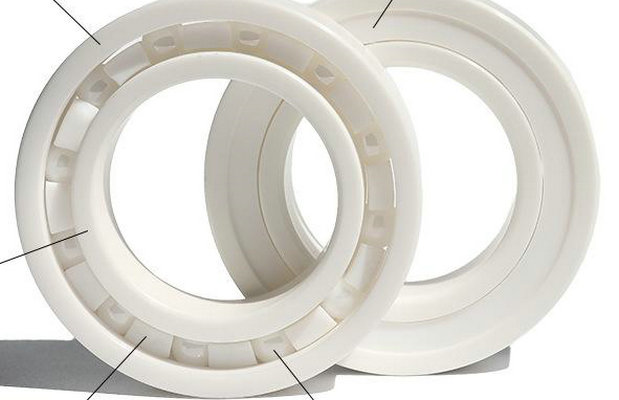
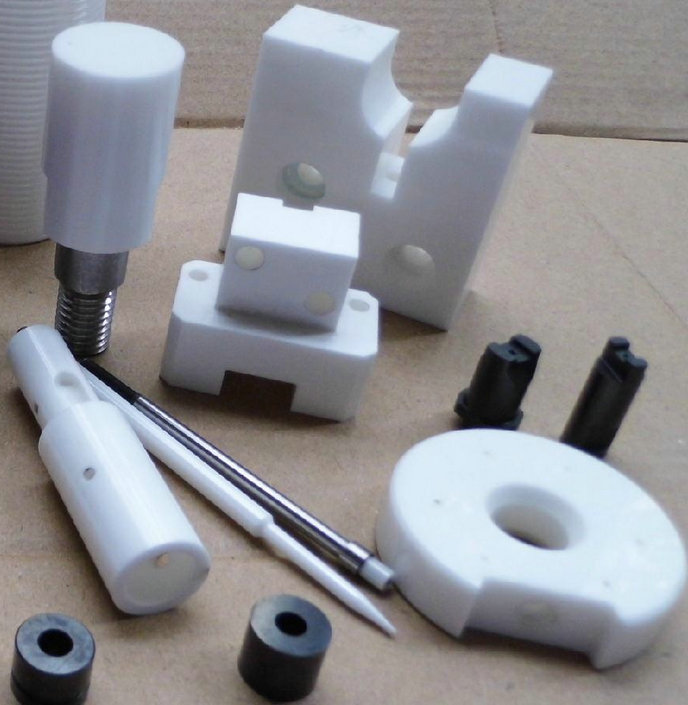
we are a specialist supplier of advanced engineering materials for a wide range of market segments. We offer a range of oxide and non-oxide ceramics for extremely challenging application areas. among our core line is a choice of magnesia- and yttria stabilised zirconia grades which have a negligible propensity for phase transitioning at high operating temperatures. We can subsequently supply hard-wearing zirconia ceramics for temperature-critical applications.
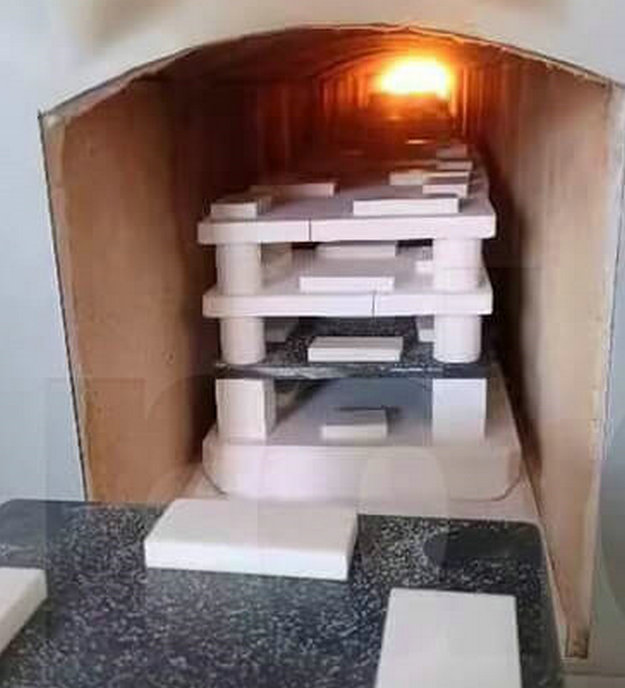
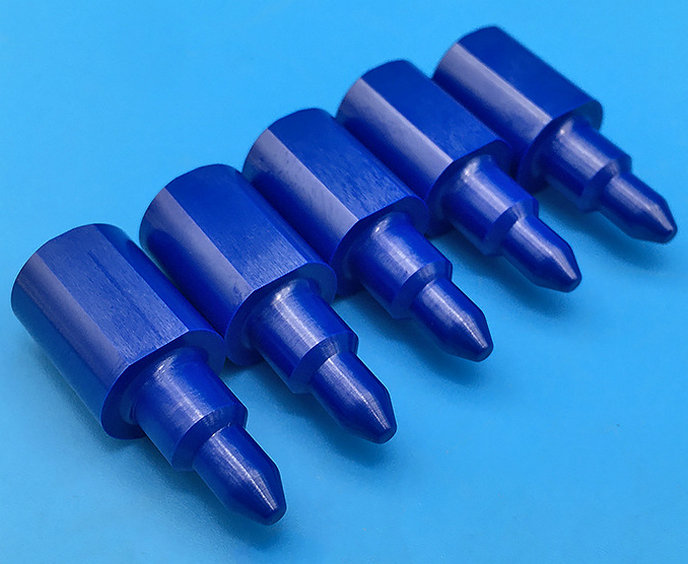
zirconium dioxide (ZrO2), is a ceramic that resists cracking better than others. It expands a lot with heat, which is why it’s often used to join with steel. It’s strong and doesn’t let heat through easily. Zirconia has better mechanical properties than alumina, including higher strength and fracture toughness. These characteristics make zirconia an ideal choice for many industrial applications, especially in environments where the material needs to withstand extreme forces and wear.
chemistry properties for precision ceramics ZrO2 zirconia
| additive ZrO2 | unit | ZrO2-Y2O3 | ZrO2-Y2O3 | ZrO2-Y2O3 | ZrO2-MgO | ||||
| percentage | ... | 94.4% | 94% | 94% | 94.4% | ||||
| color | ... | white | black | bule | yellow | ||||
| density | g/cm3 | 6 | 5.6 | 6 | 5.7 | ||||
| ceramic Si3N4 ZrO2 Al2O3 cylindrical needles, rollers, bearings, dowels, pins, balls,valves, sticks, rods, ceramic Si3N4 ZrO2 Al2O3, substrates, rings, plates, tubes, blocks,threads, structural parts, fasteners, silicon nitride ceramic Si3N4 ZrO2 Al2O3 slots, blades, teethes, flanges, crucibles, plungers, nozzles, impellers, shafts, seals, laser cutting. | |||||||||
|---|---|---|---|---|---|---|---|---|---|
ceramic shaft sleeve, alumina ceramic ball, alumina al2o3, alumina ceramic rods, alumina ceramic tubing, silicon carbide tubes, ceramic nozzle, silicon carbide fabric, boron nitride machinable ceramic, alumina disc, reaction bonded silicon carbide. due to its high strength and wear resistance, zirconia is often used to manufacture various high-performance industrial components, such as parts in milling machines, sliding parts, and cutting tool blades. These applications typically require materials to be able to withstand repeated mechanical stresses without failure.
physical properties for precision ceramics ZrO2 zirconia
| ZrO2 zirconia ceramics | unit | ZrO2-Y2O3 | ZrO2-Y2O3 | ZrO2-Y2O3 | ZrO2-MgO | ||||
| percentage | ... | 94.4% | 94% | 94% | 94.4% | ||||
| Flexural strength(20℃) | Mpa | 800 | 710 | 900 | 500 | ||||
| compressive strength(20℃) | Mpa | 2000 | 2000 | 2000 | 2500 | ||||
| Elastic modulus(20℃) | Gpa | 200 | 210 | 220 | 250 | ||||
| Fracture toughness(20℃) | MPam1/2 | 9 | 8 | 8 | 6 | ||||
| Vipoll coefficient(20℃) | ... | 0.3 | 0.3 | 0.3 | ... | ||||
| hardness(20℃) | HRA | 88 | 85 | 90 | ... | ||||
| Vickers hardness(HV1) | kg/mm2 | 1175 | 1100 | 1220 | 1100 | ||||
| Rockwell hardness(45N) | R45N | 78 | 75 | 78 | ... | ||||
| ceramic Si3N4 ZrO2 Al2O3 cylindrical needles, rollers, bearings, dowels, pins, balls,valves, sticks, rods, ceramic Si3N4 ZrO2 Al2O3, substrates, rings, plates, tubes, blocks,threads, structural parts, fasteners, silicon nitride ceramic Si3N4 ZrO2 Al2O3 slots, blades, teethes, flanges, crucibles, plungers, nozzles, impellers, shafts, seals, laser cutting. | |||||||||
|---|---|---|---|---|---|---|---|---|---|
Zirconia also has excellent thermal insulation properties, with much lower thermal conductivity than other ceramic materials. Low thermal conductivity: Zirconia has only one tenth the thermal conductivity of some other common ceramic materials. This feature makes it very useful in applications that require insulation or heat preservation.
Thermal management applications: In certain chemical process equipment and high-temperature furnaces, zirconia can be used as an insulation layer to help control temperature and protect sensitive mechanical components from overheating damage.
thermal properties for precision ceramics ZrO2 zirconia
| ZrO2 zirconia ceramics | unit | ZrO2-Y2O3 | ZrO2-Y2O3 | ZrO2-Y2O3 | ZrO2-MgO | ||||
| percentage | ... | 94.4% | 94% | 94% | 94.4% | ||||
| Coefficient of thermal expansion | 10-6K-1 | 9.6 | 9.5 | 10 | 10 | ||||
| Thermal conductivity | W/mk | 2.5 | 3 | 3 | 3 | ||||
| Thermal shock stability | △T.℃ | 250 | 300 | 300 | 450 | ||||
| Specific heat capacity | J/g·k | 0.46 | 0.48 | 0.46 | ... | ||||
| Maximum temperature | ℃ | 800 | 800 | 800 | 2100 | ||||
| ceramic Si3N4 ZrO2 Al2O3 cylindrical needles, rollers, bearings, dowels, pins, balls,valves, sticks, rods, ceramic Si3N4 ZrO2 Al2O3, substrates, rings, plates, tubes, blocks,threads, structural parts, fasteners, silicon nitride ceramic Si3N4 ZrO2 Al2O3 slots, blades, teethes, flanges, crucibles, plungers, nozzles, impellers, shafts, seals, laser cutting. | |||||||||
|---|---|---|---|---|---|---|---|---|---|
Zirconium oxide ceramics are very strong and don’t let heat through easily. Some kinds can also move oxygen ions. That’s why they cost more than alumina ceramics. They’re used for making wire tools, helping with welding, dental crowns and bridges, insulating rings for heat processes, and oxygen sensors. The strength and toughness of zirconia far exceed many traditional ceramic materials. This enables it to remain stable under impact and stress, reducing the likelihood of rupture.
electrical properties for precision ceramics ZrO2 zirconia
| ZrO2 zirconia ceramics | unit | ZrO2-Y2O3 | ZrO2-Y2O3 | ZrO2-Y2O3 | ZrO2-MgO | ||||
| percentage | ... | 94.4% | 94% | 94% | 94.4% | ||||
| 20 ℃ Volume resistance | Ωcm | 1014 | 1010 | 1014 | 1014 | ||||
| Dielectric strength | KV/mm | 13 | 13 | 13 | 13 | ||||
| 1MHZ dielectric constant | ... | 28 | 28 | 28 | 28 | ||||
| Megahertz dielectric loss angle (1MHz 20 ℃) | tanδ | 17*10-4 | 17*10-4 | 17*10-4 | 17*10-4 | ||||
| ceramic Si3N4 ZrO2 Al2O3 cylindrical needles, rollers, bearings, dowels, pins, balls,valves, sticks, rods, ceramic Si3N4 ZrO2 Al2O3, substrates, rings, plates, tubes, blocks,threads, structural parts, fasteners, silicon nitride ceramic Si3N4 ZrO2 Al2O3 slots, blades, teethes, flanges, crucibles, plungers, nozzles, impellers, shafts, seals, laser cutting. | |||||||||
|---|---|---|---|---|---|---|---|---|---|
Zirconium dioxide, more commonly known as zirconia (ZrO₂), is the toughest of the technical ceramics. Conventional zirconia ceramics are often limited in their capabilities by poor thermal performance, despite their high strength and practically unmatched hardness characteristics. Complex zirconia and stabilising additive combinations offer enhanced thermal stability, enabling manufacturers to exploit the outstanding mechanical characteristics of zirconia in more demanding high temperature environments.
preventing zirconia from undergoing temperature-induced phase transitions is vital to success in high-temperature applications. By carefully controlling the alloying composition with stabilising additives, we can impart enhanced thermodynamic properties that maximise the performance and lifetime of hard-wearing parts.