
YDTech® suppliers of ceramics AIN discs, AIN targets, AIN substrates, needles,AIN plates, rollers,AIN teethes, AIN flanges, AIN crucibles! manufacturers of aluminum nitride, AIN ceramics, sticks, plungers, nozzles, impellers, shafts, sheets, slabs, flanges, crucibles in china.
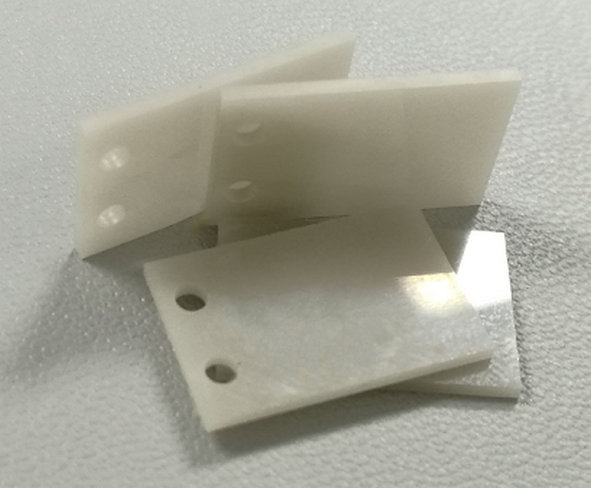
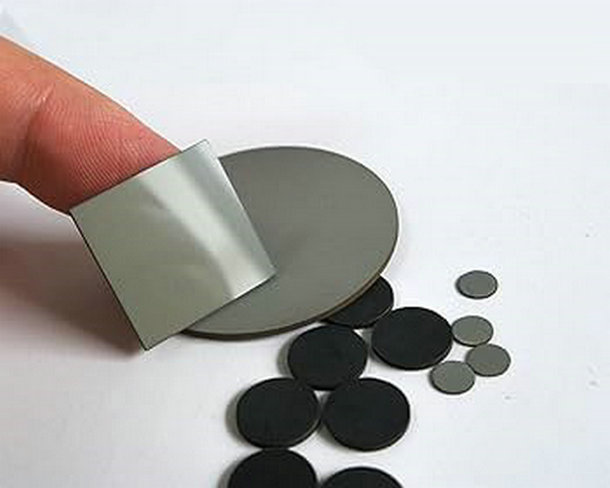
we have an integrated production system encompassing material development, sheet molding, and firing. by combining elemental technologies such as lamination, thin filming, metallization, co-firing, and circuit design, we are able to produce customized products that suit our customers' needs.
aluminum nitride (AlN) ceramics are gaining widespread recognition for their unique properties and versatile applications across various industries. Renowned for their exceptional thermal conductivity, electrical insulation, and durability, AlN ceramics are a top choice for demanding applications that require reliable performance under challenging conditions.
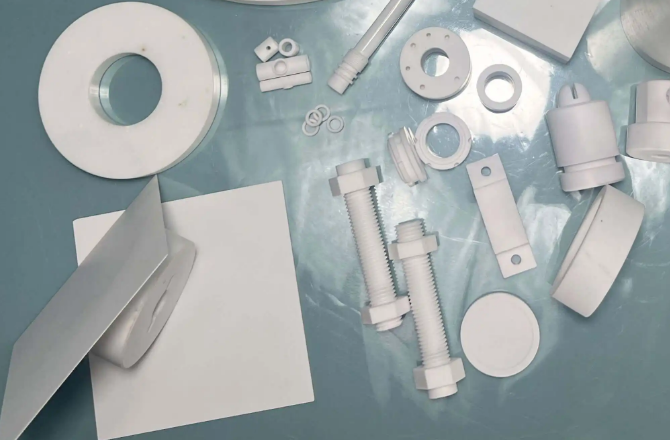
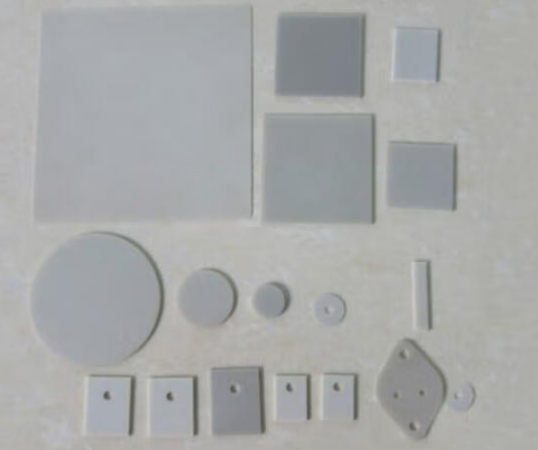
AlN ceramics are highly valued for their excellent thermal conductivity, typically ranging from 170 to 230 W/mK. This makes them ideal for use as substrates in high-power electronic devices, where efficient heat dissipation is critical to maintaining performance and longevity. semiconductor processing, components often need to withstand harsh plasma environments, which may corrode or damage weaker materials. The excellent plasma resistance of aluminum nitride enables it to maintain performance and structural stability under these conditions
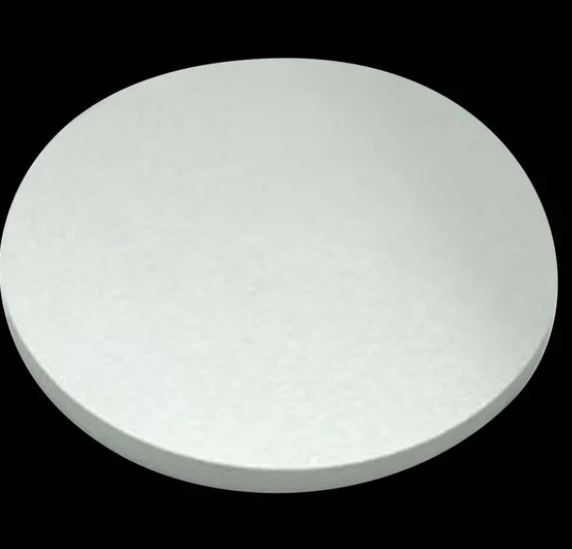
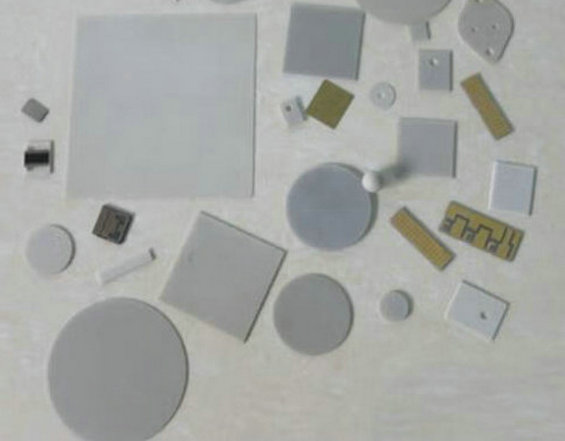
Aluminum Nitride (AlN) is an advanced ceramic material that is highly important in high-tech fields due to its excellent thermal conductivity and electrical insulation properties. Aluminum nitride has both high mechanical strength and stable chemical properties, making it an ideal choice for electronic and industrial applications
the thermal expansion coefficient of aluminum nitride is very close to that of silicon, and its plasma resistance makes it particularly important in semiconductor manufacturing. due to the matching thermal expansion coefficient of aluminum nitride with silicon, it can minimize thermal stress caused by temperature changes when used as a substrate or thermal interface material in semiconductor devices. This is crucial for improving the reliability and performance of semiconductor devices.
chemistry properties for precision ceramics aluminum nitride AlN
| ceramics | unit | aluminum nitride | |||||||
| material | ... | AlN | |||||||
| color | ... | grey white | |||||||
| density | g/cm3 | 3.3 | |||||||
| ceramics aluminum nitride AlN blades, teethes, flanges, crucibles, plungers, ceramics Al2O3 aluminium oxide nozzles, impellers, shafts, seals, discs, impellers, knives, pipes, washers, bolts, guides, filters, components. | |||||||||
|---|---|---|---|---|---|---|---|---|---|
AlN ceramics are widely used in semiconductor packaging and high-frequency electronic devices, ensuring the reliability and safety of electronic components. these characteristics of aluminum nitride make it particularly important in modern high-tech fields, especially in high-performance electronic devices and semiconductor manufacturing. Its excellent physical properties not only enhance the performance of equipment, but also extend the service life of products, providing reliable material solutions in various high demand industrial applications.
physical properties for precision ceramics aluminum nitride AlN
| aluminum nitride ceramics | unit | AlN | |||||||
| Flexural strength(20℃) | Mpa | 470 | |||||||
| compressive strength(20℃) | Mpa | 2100 | |||||||
| Elastic modulus(20℃) | Gpa | 320 | |||||||
| Fracture toughness(20℃) | MPam 1/2 | 2.6 | |||||||
| Vipoll coefficient(20℃) | ... | ... | |||||||
| hardness(20℃) | HRA | 87 | |||||||
| Vickers hardness(HV1) | kg/mm2 | 1122 | |||||||
| Rockwell hardness(45N) | R45N | 78.5 | |||||||
| ceramic Si3N4 ZrO2 Al2O3 cylindrical needles, rollers, bearings, dowels, pins, balls,valves, sticks, rods, ceramic Si3N4 ZrO2 Al2O3, substrates, rings, plates, tubes, blocks,threads, structural parts, fasteners, silicon nitride ceramic Si3N4 ZrO2 Al2O3 slots, blades, teethes, flanges, crucibles, plungers, nozzles, impellers, shafts, seals, laser cutting. | |||||||||
|---|---|---|---|---|---|---|---|---|---|
in optical communication systems, AlN is used to manufacture waveguides and optical components, benefiting from its optical clarity and stability. The high thermal conductivity of aluminum nitride makes it an ideal heat dissipation material for high-performance electronic devices, such as power semiconductors, high-density integrated circuits, and high-frequency electronic components. These applications typically require materials that can quickly and effectively dissipate heat to prevent performance degradation or damage caused by overheating.
thermal properties for precision ceramics aluminum nitride AlN
| aluminum nitride ceramics | unit | AlN | |||||||
| Coefficient of thermal expansion | 10-6K-1 | 4.6 | |||||||
| Thermal conductivity | W/mk | 170 | |||||||
| Thermal shock stability | T.℃ | 400 | |||||||
| Specific heat capacity | J/g.k | 0.72 | |||||||
| Maximum temperature | ℃ | 1000 | |||||||
| ceramic Si3N4 ZrO2 Al2O3 cylindrical needles, rollers, bearings, dowels, pins, balls,valves, sticks, rods, ceramic Si3N4 ZrO2 Al2O3, substrates, rings, plates, tubes, blocks,threads, structural parts, fasteners, silicon nitride ceramic Si3N4 ZrO2 Al2O3 slots, blades, teethes, flanges, crucibles, plungers, nozzles, impellers, shafts, seals, laser cutting. | |||||||||
|---|---|---|---|---|---|---|---|---|---|
the superior thermal conductivity of AlN ceramics is crucial in high-power applications, such as LED heat sinks and power amplifiers, where effective thermal management ensures optimal performance and prevents overheating. due to their high thermal conductivity and low thermal expansion coefficient, AlN ceramics are ideal for use in various heat sink and heat spreader applications, ensuring efficient heat dissipation and maintaining the integrity of electronic systems.
electrical properties for precision ceramics aluminum nitride AlN
| aluminum nitride ceramics | unit | AlN | |||||||
| 20 ℃ Volume resistance | Ωcm | 2.75*1014 | |||||||
| Dielectric strength | KV/mm | 17 | |||||||
| 1MHZ dielectric constant | ... | 8.38 | |||||||
| Megahertz dielectric loss angle (1MHz 20 ℃) | tanδ | 3*10-3 | |||||||
| ceramic Si3N4 ZrO2 Al2O3 cylindrical needles, rollers, bearings, dowels, pins, balls,valves, sticks, rods, ceramic Si3N4 ZrO2 Al2O3, substrates, rings, plates, tubes, blocks,threads, structural parts, fasteners, silicon nitride ceramic Si3N4 ZrO2 Al2O3 slots, blades, teethes, flanges, crucibles, plungers, nozzles, impellers, shafts, seals, laser cutting. | |||||||||
|---|---|---|---|---|---|---|---|---|---|
AlN ceramics can withstand temperatures exceeding 2000°C, making them suitable for high-temperature environments such as thermocouple protection tubes and high-temperature reactors. the excellent chemical resistance of AlN ceramics makes them ideal for use in harsh chemical environments, where they serve as containers and piping materials that resist degradation from corrosive substances.
AlN ceramics are renowned for their exceptional thermal conductivity, typically between 170 and 230 W/mK. This property is crucial for applications requiring efficient heat dissipation, such as high-power electronic devices and thermal management systems. excellent electrical insulation AlN ceramics possess excellent electrical insulation properties, with a low dielectric constant. This makes them ideal for use in high-frequency electronic devices and power equipment, where reliable insulation is critical to preventing electrical failures.
the high transparency of AlN in the UV and visible light spectrum makes it an excellent substrate material for laser diodes and LED chips, enhancing the efficiency and performance of these devices. while maintaining high thermal conductivity, aluminum nitride also has excellent electrical insulation properties. This is particularly important for insulation components in power conversion equipment and high-voltage electrical applications, which require materials to effectively conduct heat in a non-conductive manner.
The high transparency of AlN ceramics in the UV to visible light spectrum makes them ideal for optoelectronic applications. They serve as substrates for optical devices, enhancing performance through their clarity and stability. AlN ceramics demonstrate excellent resistance to chemical corrosion, able to withstand acids, bases, and other corrosive substances. This property extends their application to chemical processing equipment and harsh chemical environments.
AlN ceramics exhibit high strength and hardness, maintaining their mechanical properties even under high-temperature and high-pressure conditions. This makes them suitable for use in demanding environments where durability is essential. The low thermal expansion coefficient of AlN ceramics, similar to that of silicon, ensures stability during thermal cycling. This property is essential for electronic packaging and high-precision devices, where minimizing thermal stress is vital.