
YDTech™ manufacturer of drive pins of face drivers for CNC machines, lathes on drilling, grinding! supplier of face drivers drive pins on turning, milling, drilling, grindin in china.
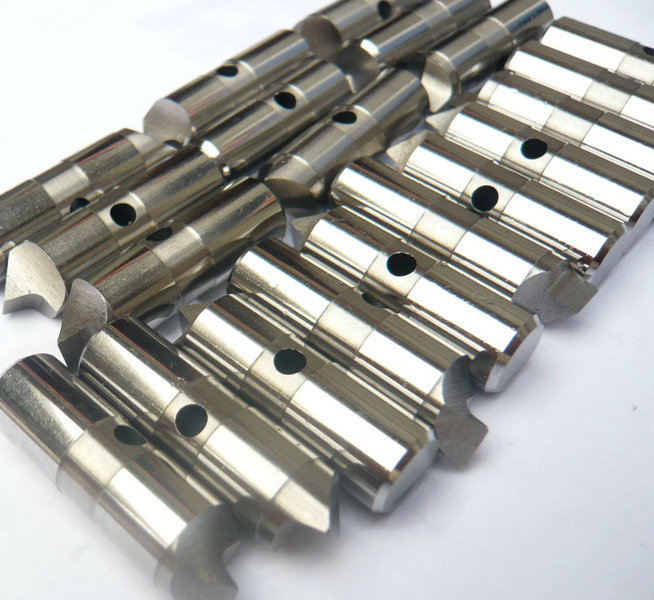
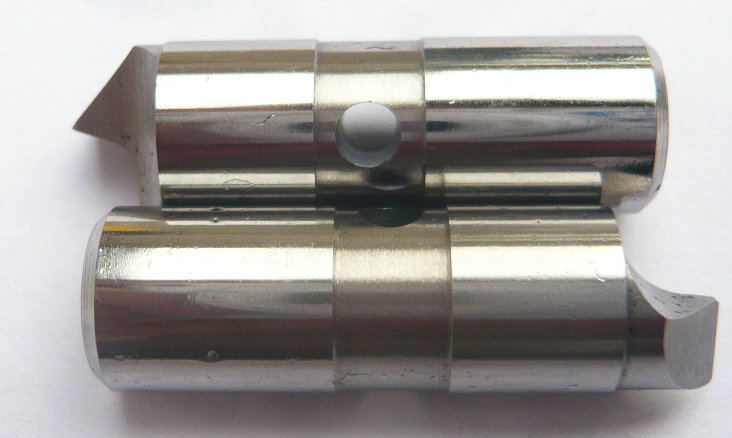
we produce drive pins on the customer's drawings,it's grinding include serrated tip, not lathe processing. act as the teeth of the face driver and bite into the face of the part being machined. Drive pins are replaceable and depending on the size of the driver and the workpiece involved are used in sets of three to ten
driver pins are typically used in a lock's key pins chamber and are designed to interact with the key to allow the plug (cylinder) to turn and unlock the lock. they are not intended to be used as face drivers. we only produce drive pins, needle roller pins,custom your drawings not face drivers.
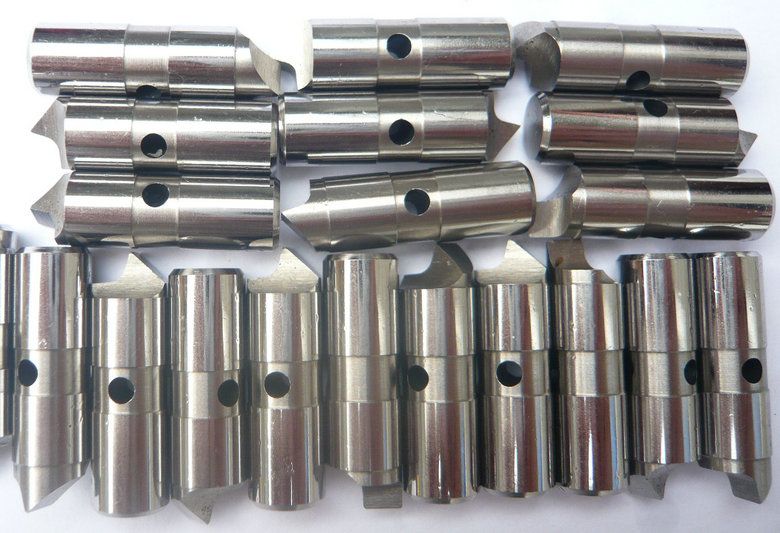
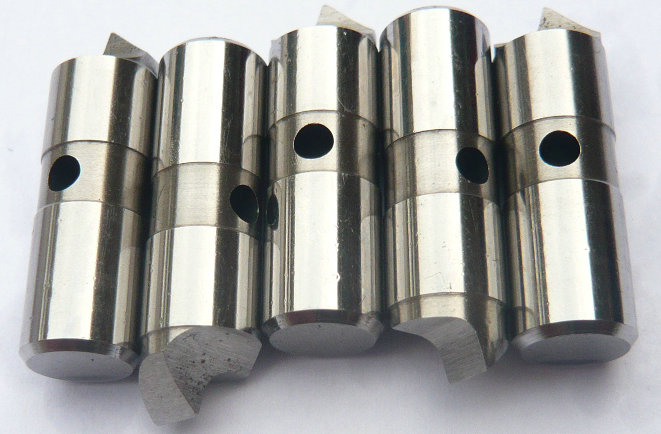
a face driver is a type of lathe center used to support and drive a workpiece during machining operations. It consists of a rotating center with a set of spring-loaded pins that engage with the face of the workpiece. The face driver is designed to transmit torque to the workpiece and support it radially, while also allowing for axial movement and reducing distortion or deflection.
face drivers are commonly used in turning and grinding applications, particularly for high-precision workpieces that require a high degree of accuracy and surface finish. They are typically used in conjunction with a lathe or grinding machine and can be operated either manually or automatically using a hydraulic or pneumatic system.
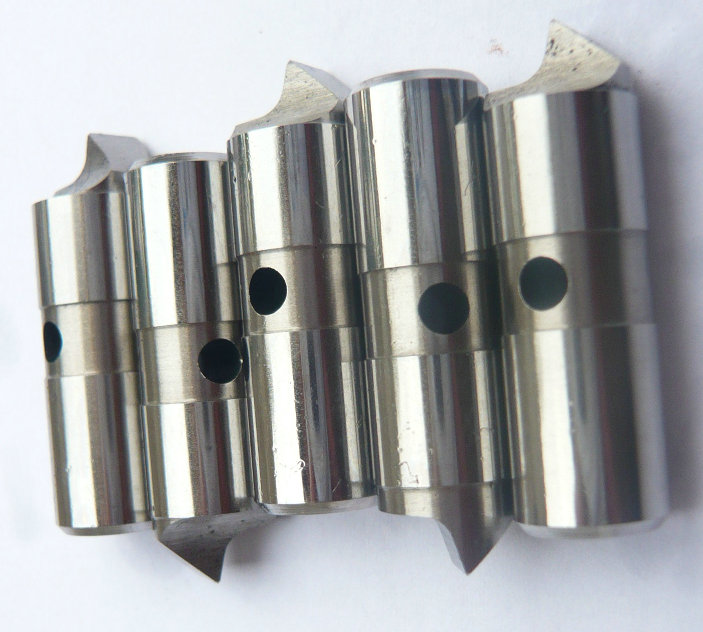
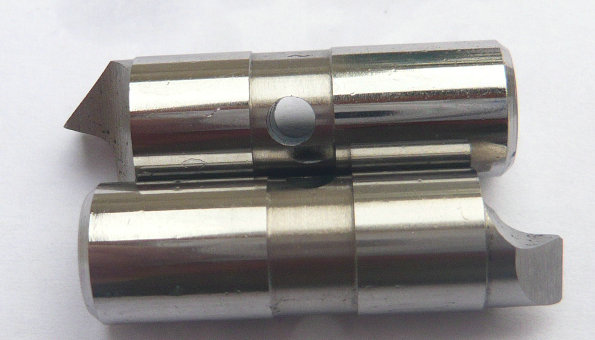
other benefits of face drivers are reduced energy costs, as well as less wear and tear on the spindle and on the machines internal components. it takes more energy to spin a large chuck mounted on the machine than it might with a small face driver. mechanical face drivers may also reduce maintenance costs. applying grease when changing drive pins is usually all that is required.
Types of drive blade pins, as face driving components
| Type | Term | Characteristics | |||||||||
|---|---|---|---|---|---|---|---|---|---|---|---|
| Eccentric | Offset drive blade pins | Pin center is offset outward/inward from the gripping circle; creates radial force for aggressive bite. | |||||||||
| Semi-Eccentric | Half Offset drive pins | Compromise between Offset and Central; balanced force distribution. | |||||||||
| Centered | Central drive blade pins | Pin aligns with the driving circle axis; minimizes surface marking. | |||||||||
| Full Width | Full Width drive pins | Wide contact face in radial direction; maximizes contact area. | |||||||||
Drive Pins Selection Quick Reference (Full Width vs. Offset vs. Central)
| Comparison Dimension | Full Width driver pins | Offset driver pins | Central driver pins | ||||||||
|---|---|---|---|---|---|---|---|---|---|---|---|
| Pin Structure | Wide contact face, radial extension | Pin center offset from gripping circle | Pin center aligned with gripping circle | ||||||||
| Contact Area | Maximum | Medium | Minimum | ||||||||
| Pressure per Unit Area | Lowest | Medium | Highest | ||||||||
| Biting / Penetration Ability | Weak | Strong | Medium | ||||||||
| End Face Marking Depth | Shallowest | Deeper | Deepest | ||||||||
| Deformation Risk | Lowest | Medium | Highest | ||||||||
Face Drive Pins: Workpiece & Machine Applications
| Category | Full Width driver pins | Offset driver pins | Central driver pins | ||||||||
|---|---|---|---|---|---|---|---|---|---|---|---|
| Suitable Machines | CNC lathe, turning center, VTL, CNC grinder | CNC lathe, heavy-duty lathe, automatic lathe | CNC lathe, general lathe, multi-spindle machines | ||||||||
| Workpiece Types | Thin-walled parts, soft metals (aluminum/copper), plastics, precision parts | Forged blanks, castings, rough surfaces with mill scale | Hard materials, solid bars, general parts with finished end face | ||||||||
| Typical Materials | Aluminum alloy, brass, plastic, thin steel sleeves | Forged gear blanks, flanges, rough-machined parts | hardened steel, titanium alloy, stainless steel | ||||||||
the face driver can help improve machining accuracy, reduce setup time, and increase productivity by allowing for faster and more efficient machining operations. there are two factors to consider when choosing driving pins: pin direction and driving diameter. both are stated in the second and third columns of this table. when choosing a center point make sure the center hole diameter of your workpiece falls within the required range in this table.
with face driver, the entire workpiece is exposed for machining. therefore, you are able to machine the entire length of the workpiece in one operation. the elimination of a setup in the production process results in increased accuracy and efficiency. furthermore, the single axis reference point established by the center point of the face driver allows for a higher concentricity.
- home
- products
- contact
- equipments
- face driver pins
- offset driving parts
- half offset drive pins
- central driver parts
- standard/ Fixed driving pins
- Lowered drive parts
- clockwise driver pins
- counterclockwise driving parts
- full width drive pins
- life driver parts
- chisel-edged driving pins
- floating drive parts
- power-operated driver pins
- hydraulic driving parts
- mechanical drive pins
- SB driver parts
- FFB driving pins
- carbide driver pins
- tool steel S7 driving parts
- changeable pins